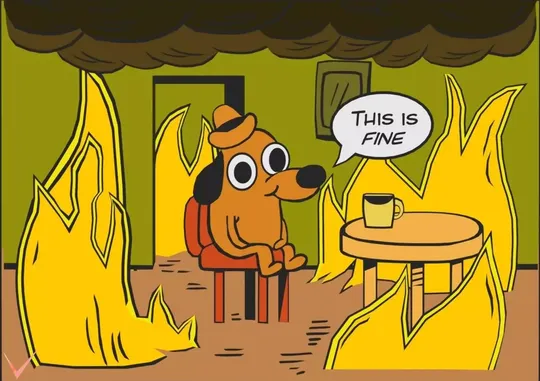
Lingchi was “death by a thousand cuts.” Enshittification is the software version: death by a thousand features nobody asked for.
You can only ruin something people loved
Enshittification needs a victim worth ruining. You cannot enshittify Microsoft Teams — it was never great, and even less loved. But Trello had passionate users. That is the whole prerequisite. Only beloved products are worth wrecking.
What Trello was
A digital wall of sticky notes. Columns, cards, a comment here, a name tagged there — and nothing else in the way. As a visual thinker, that was the entire appeal: it did one thing and then disappeared.
What Trello became
Then somebody decided a board with cards wasn’t enough. Clone a card. Mirror a card. Automate a card. Template a card. Power-Up a card. Connect the card to Slack, Jira, Confluence, Google Drive, your calendar, your dentist, and probably your divorce lawyer.
All I ever wanted was a quick visual list of what I have to do. Now I have to excavate it from an Atlassian landfill.
And after all of it, Trello is still a bad project manager. You cannot cram that much onto something that started this simple.
Why it happened — it always happens
Trello was born at Fog Creek in 2011. Atlassian bought it in 2017 for $425 million. That was the funeral. The corpse just kept receiving product updates.
The business problem was obvious: Trello had millions of users and the manners not to annoy them. That could not stand. So Atlassian wired it into the Jira/Confluence upsell funnel and started charging rent for something that used to just work.
By 2024, even the rot had metadata: more than 15 million Trello profiles scraped, packaged, and immortalized in Have I Been Pwned. Atlassian insisted it was public data and API misuse, not a breach. Fine. Just the natural smell of a corpse with an API.
The clones tell the same story
Microsoft Planner — because nothing says productivity like hiding a half-baked Trello clone behind a paywall.
Asana is what happens when a to-do list gets promoted into middle management.
They all copied the board. None of them copied the silence.
The lesson
In my dead horse taxonomy, Trello is the tragic variant: the horse was alive until product strategy arrived.
Trello’s success was its undoing. The one thing that made it great was the one thing nobody could put behind a paywall — so they buried it under Power-Ups, integrations, and quarterly earnings reports instead.
Trello was murdered by the business model that couldn’t monetize its best feature: leaving you alone.